
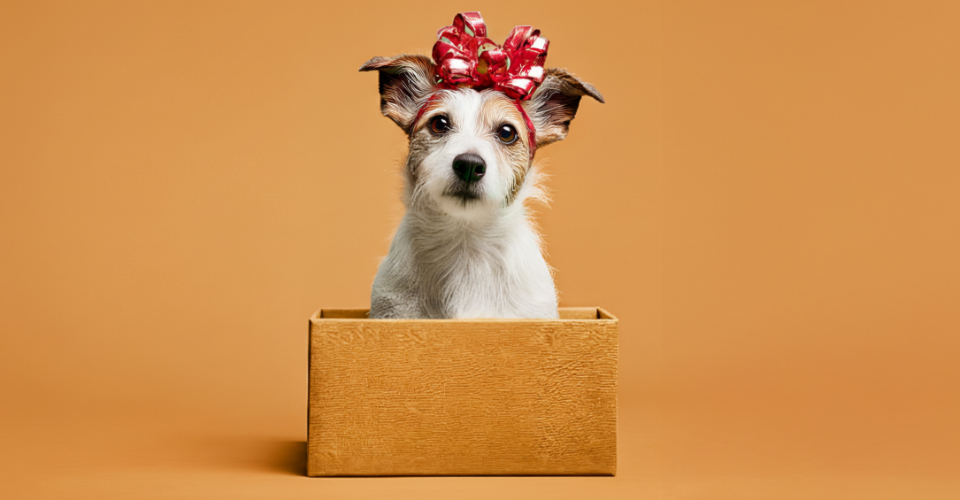

South Africans love giving dramatic gifts. If we could, we’d wrap up Table Mountain with a bow and put it under someone’s tree. But when it comes to pets, maybe just… maybe… we need to slow our roll. Because giving someone a whole living creature with emotions, bathroom habits, and a diet that costs more than your car’s full tank is not the same as handing over a scented candle from Mr Price Home (ok, fine… @Home🙄).
Giving a pet as a gift often begins with the purest of intentions. You imagine joy. Healing. Companionship. But intentions don’t wash the food bowls, pay the vets and pet insurance premiums, vacuum the fur or navigate the emotional landscape of caring for another living being. Pets are love, but they are also long-term responsibility. Gifting that responsibility to someone who did not ask for it? Well, that’s where problems begin.
Pets aren’t accessories, they’re family members with needs. These responsibilities may feel natural to someone ready for a pet. For someone unprepared, they feel like pressure.
The Most Common Pets Gifted at Christmas
Firstly, let’s unpack the most common gifted pets and why “cute” doesn’t always mean compatible.
- Puppies: adorable, sociable, energetic… and demanding.
- Kittens: sweet, curious, and often underestimated.
- Rabbits: gentle, but require complex care and space.
- Hamsters: fragile and nocturnal, unsuitable for small children.
- Guinea pigs: social animals who must live in pairs.
- Fish: sensitive to water quality, temperature, and proper habitat.
- Budgies/Parrots: intelligent, loud, and long-lived companions.
- Tortoises: need careful diets and can live for decades.
- Reptiles: require specialised environments and informed owners.
So no, “cute” is not a measure of compatibility. Compatibility grows from intention, preparation, and choice.
RELATED:HOW TO CHOOSE THE PERFECT PET FOR YOUR FAMILY
What Many Don’t Consider Before Gifting a Pet
A dog needs walks.
A cat needs stimulation.
A bird needs companionship and enrichment.
A fish needs water that doesn’t resemble the Vaal Dam.
We get it. You saw a fluffy puppy online and thought, “This will cure my bestie or parent’s empty-nest syndrome AND look super-cute on Instagram.” But here’s the problem: They might not want a pet. Dad might want silence. Mom might want to travel. Bestie might be allergic. Many people imagine the romantic bioscope version of pet gifting: A delighted recipient, a joyful tear, a perfect bond. The reality is more complex. The recipient may not be ready. They may not be in a season of their life where they can commit to the needs of a pet, even if they adore animals.
Baby animals grow up
Imagine gifting your friend a hamster. Small, cute, harmless. Except later they discover hamsters are nocturnal and run marathons at 2am on a squeaky wheel that sounds like it’s transmitting messages to space.
Or you give a teenager a rabbit because “it’s low maintenance.” Except rabbits chew things. Skirtings, shoes, phone chargers, basically anything with sentimental or financial value.
That tiny puppy? Soon it’s a boisterous adult who needs space, training and dedication.
That tortoise? It may outlive everyone in the house.
And then there’s the money factor. That “free kitten” comes with:
- Vaccinations
- Deworming
- Food
- Litter
- Vet visits
- Sterilisation (you’re basically gifting someone a monthly vet bill)
- And emotions. Lots of emotions.
Holidays end, but pet care never does. And a pet does not simply fit into one’s life, it shifts it. Feeding schedules, training, noise, grooming, medical care, supervision, and… and! When a pet is unwanted or unexpected, this shift creates friction. Not because the person is unkind. But because they didn’t choose the change. And care without readiness becomes stress. While pet insurance can help with the oopsies that lead to vet bills, it can’t help the “oops, maybe I wasn’t ready for this” moments.
RELATED: THE REAL COST OF PUPPY LOVE IN SOUTH AFRICA
What Happens When Pets are Given as Surprise Gifts?
The reality behind holiday pet trends
During December, many new animals are purchased or adopted in a burst of feel-good enthusiasm. Everyone wants a fluffy creature to put under a Christmas tree. But after the holidays, a quieter, more sobering pattern emerges: returns, surrenders, and abandoned pets. Suddenly reality hits harder than Eskom Stage 6. The surprise gift becomes a surprise responsibility.
Statistics of pet surrenders after Christmas
Animal welfare groups report the same heartbreaking pattern every year:
- Puppies and kittens flood shelters in January.
- Many were Christmas gifts the recipients didn’t want or couldn’t care for.
- Rabbits and hamsters also get surrendered once the novelty fades.
- Some pets are even abandoned when families go on holiday.
How impulse adoptions lead to overcrowded shelters
Shelters already struggle financially, physically, emotionally. When gifted pets arrive weeks later:
- Kennels overflow
- Resources stretch
- Staff burn out
- Older animals are overlooked
- And the circle of heartbreak repeats.
Your cute gift becomes someone else’s crisis. While studies show that pets gifted with prior discussion fare well, pets given as complete surprises are at higher risk of being abandoned. Remember, pets are a lifetime of walks, vet visits, and unconditional love. Before you wrap up a wagging tail under the tree, take a moment to check if the recipient is ready.
We’ve got a quick, fun quiz you, your bestie, sibling, or parent can take FIRST. It’s an easy way to see if a new furry friend is truly a perfect fit, long before the ribbons and bows.
TAKE THE QUIZ: HOW TO KNOW IF YOU’RE READY FOR A PET
Better Ways to Show You Care This Holiday: Visit an Animal Shelter Instead
Invite your loved one on a meaningful outing:
- Walk dogs
- Socialise cats
- Learn about the needs of different species
- Allow them to express genuine interest (or disinterest).
A thoughtful experience often reveals more than an impulsive gift.
Volunteer your time or donate to animal welfare groups
We’re all about big-hearted pet insurance, so we know that it isn’t just about protecting your own furry family, it’s also about helping pets in need. So, consider supporting a cause close to your heart. Shelters and rescue groups always appreciate:
- Food donations
- Blankets and bedding
- Cleaning supplies
- Medical contributions
- Transport help
- Or simply your time and care.
Every little act counts. By giving back, you’re extending love and care beyond your home —and that’s exactly what responsible, compassionate pet parenting is all about.
A Pet Is for Life, Not for the Holidays
A pet is a 10–20-year commitment, not a seasonal fling. The best gifts are things people want, not things they must rearrange their entire lives around. Pets should never arrive wrapped in the weight of someone else’s expectations.
If the person:
- wants a pet
- has researched the pet
- has the budget
- has the time,
then go for it!
Otherwise? Buy them chocolate. A book. A spa voucher. Even a pair of socks. Just not a living creature. The most loving thing we can do is respect the profound commitment of animal guardianship. Gifting one should honour both the human and the animal in equal measure.
Now, we’re not saying everyone who gets a pet as a gift surrenders it. Research actually shows many keep them, if they wanted them in the first place. However, the problems arise in cases of impulse gifting.
So, if you’re really considering gifting someone a pet, the least you can do is ensure you also give them pet insurance from dotsure.co.za along with the leash. Contact us to ensure they enjoy more moments together with fewer money worries and learn more about our affordable plans.
RELATED: 14-GIFTS-FOR-YOUR-PET
It’s a way to offer love without creating long-term obligations.
Refer a Friend for Pet Insurance
You know someone who’s struggling with vet bills?
Fill in their details and share the benefits of dotsure.co.za pet insurance with your pack, because every “good boy” and “girl” deserves a safety net.
